





















Frequently Asked Questions About Sustainable Urban Mobility Solutions
Discover how Masdar City is redefining clean, efficient, and smart transportation. Learn about electric vehicles, public transit, Mobility-as-a-Service (MaaS), and future-ready mobility strategies. Drive toward a net-zero future with integrated, people-centric urban mobility.


As cities expand and populations increase, the demand for efficient, clean, and future-ready mobility systems becomes ever more critical. From reducing carbon emissions to enhancing connectivity, sustainable mobility is central to smarter, healthier urban living.
At Masdar Citya global hub for innovation and low-carbon developmenturban mobility is being reimagined through integrated strategies, intelligent technologies, and practical implementation.
Below are answers to frequently asked questions about sustainable urban mobility, informed by global best practices and Masdar Citys ongoing initiatives.
1. What Are Sustainable Mobility Solutions?
Sustainable mobility solutions refer to transportation systems designed to minimize environmental impact, reduce emissions, and improve energy efficiency, while meeting the needs of people and goods. These include:
-
Public transport systems
-
Electric vehicles (EVs)
-
Shared mobility services
-
Cycling infrastructure
-
Pedestrian-friendly urban design
Masdar City supports these solutions through the integration of clean energy, intelligent transport systems, and infrastructure designed for safety, speed, and sustainability.
2. What Are the Strategies for Achieving Sustainable Urban Mobility?
Key strategies include:
-
Investing in Public Transit: Enhancing buses, metro systems, and trams to reduce dependency on private cars.
-
Promoting Active Mobility: Encouraging walking and cycling through safe and accessible pathways.
-
Electrifying Transport: Expanding EV adoption and charging infrastructure.
-
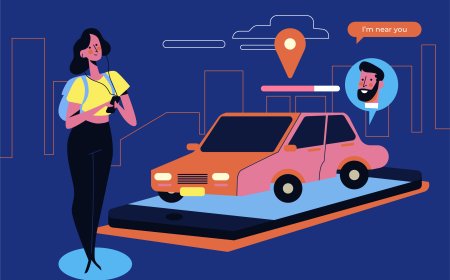
Implementing Mobility-as-a-Service (MaaS): Unifying transport options into a single app for journey planning and payments.
-
Integrated Urban Planning: Designing cities to reduce commute distances and improve livability.
-
Policies and Incentives: Enforcing emissions standards and offering rewards for sustainable choices.
Masdar City incorporates all of these strategies, along with autonomous shuttle services, car-free zones, and real-time data systems.
3. What Is a Sustainable Urban Mobility Plan (SUMP)?
A SUMP is a strategic plan for developing inclusive, efficient, and climate-resilient transport networks. Key components include:
-
Stakeholder engagement
-
Current mobility assessment
-
Long-term investment frameworks
-
Scenario-based planning
-
Integration of multiple transport modes
Masdar City embeds SUMP principles in its design, with features like shaded pedestrian routes and autonomous transport corridors.
4. What Are Urban Mobility Solutions?
Urban mobility solutions address the movement of people and goods within cities to reduce congestion, improve connectivity, and lower emissions. These include:
-
Ride-sharing platforms
-
Autonomous vehicles
-
Integrated ticketing
-
Bike-sharing systems
-
Transit apps with real-time updates
Masdar City serves as a testbed for many of these technologies, offering scalable models for cities globally.
5. What Is the Best Solution for Urbanization?
The most effective solution is a blend of:
-
Smart, compact urban planning
-
Accessible public and active transport options
-
Digitally enabled mobility platforms
-
Circular economy infrastructure design
-
Inclusive green public spaces
Masdar City adopts this multi-pronged approach across its master plan.
6. What Is a Mobility Solution?
A mobility solution is any service, technology, or system that improves the safety, efficiency, and inclusivity of transportation. Examples include:
-
Route-planning mobile apps
-
EV infrastructure
-
Integrated transit systems
Masdar City partners with global mobility innovators to introduce next-generation transport technologies.
7. What Are the Four Components of Mobility?
Mobility comprises:
-
Access Reaching essential services and destinations.
-
Connectivity Coordinated multi-modal transport options.
-
Affordability Cost-effective mobility for all income levels.
-
Sustainability Reduced emissions and energy use.
Masdar Citys mobility framework reflects all four dimensions.
8. What Are Smart Mobility Solutions?
Smart mobility leverages digital infrastructure and real-time data to improve traffic flow, safety, and efficiency. Examples include:
-
AI traffic control systems
-
Autonomous vehicles
-
Smart parking
-
Mobility apps with live updates
Masdar City pilots smart mobility with driverless vehicles, IoT-enabled systems, and electric mobility platforms.
9. What Are Examples of Mobility-as-a-Service (MaaS)?
MaaS platforms offer seamless transport access via a single digital interface. Examples:
-
Uber, Lyft (ride-hailing)
-
Whim (multi-modal app)
-
Moovit (public transit navigation)
-
Lime, Tier (e-scooter sharing)
Masdar City is exploring MaaS integration to simplify urban travel and enhance accessibility.
10. What Is Sustainable Mobility?
Sustainable mobility refers to systems that reduce environmental impact, are economically viable, and promote social inclusion. It balances growth with climate and health prioritieshallmarks of Masdar Citys transport design.
11. What Is Sustainable Urban Mobility?
This refers specifically to low-emission, inclusive transportation systems in cities. It involves:
-
Accessible public transport
-
Walkable environments
-
Renewable energy-powered vehicles
Masdar City serves as a benchmark for implementing these systems.
12. What Is Sustainable Transport and Mobility?
It encompasses urban and intercity transport modes with sustainability as a core goal. It includes:
-
EV adoption
-
Fuel-efficient vehicle design
-
Public transport enhancement
-
Safe cycling and walking networks
Masdar City implements these through advanced infrastructure and policy support.
13. What Is the Future of Sustainability in Urban Mobility?
The future lies in the integration of:
-
Autonomous electric fleets
-
Data-driven traffic optimization
-
Universal MaaS apps
-
Expanded EV infrastructure
-
Micro-mobility systems
Masdar City is attracting innovators focused on these forward-looking solutions.
14. What Is the Sustainable Mobility Goal for 2050?
By 2050, cities aim to achieve:
-
Net-zero transport emissions
-
100% electric public transport
-
Green freight and logistics
-
Fully integrated smart mobility platforms
-
Inclusive access to low-carbon mobility
Masdar City is already aligned with these long-term global targets.
15. What Is the Future of Sustainable Transportation?
Key elements include:
-
Electrification across all transport modes
-
Automation and self-driving fleets
-
AI-driven planning tools
-
Inclusive transport systems
-
Community-based micro-mobility
Masdar City exemplifies these trends through real-world applications.
Conclusion
Sustainable urban mobility is not just an aspirationits an actionable strategy already in motion in cities like Masdar City. By combining clean energy, digital infrastructure, and inclusive design, Masdar City is pioneering a transportation future that is smart, sustainable, and people-centric.
Discover how Masdar City is driving the future of sustainable mobility at masdarcity.ae.