




















How to Use a Fence Estimator to Plan Your Next Fencing Project
In this detailed guide, you’ll learn how a fence estimator works, how to use it effectively, what factors influence your cost estimate, and how to get the most value out of your fencing project.

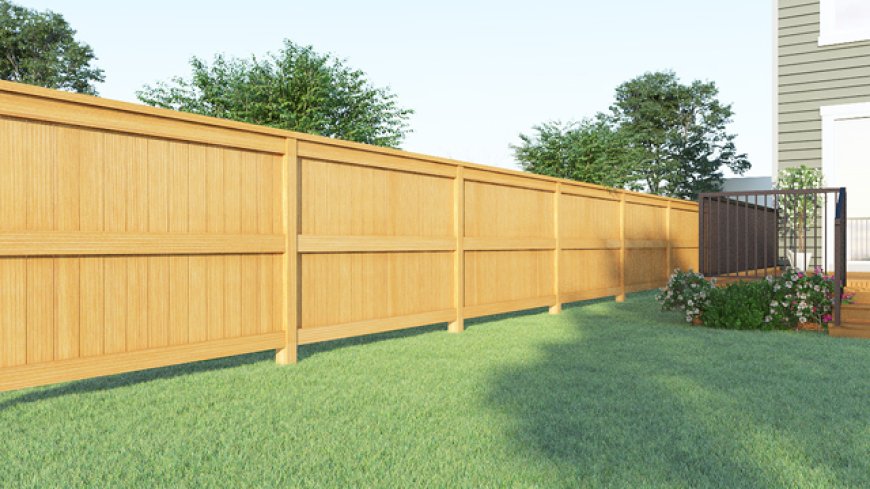
Planning a fence installation can be overwhelming without a clear understanding of the costs, materials, and timeline involved. Whether you're adding a fence for privacy, security, or curb appeal, the first question on most homeowners minds is: "How much will it cost?"
Thats where a fence estimator becomes an invaluable tool. A fence estimator helps you calculate approximate project costs based on key variables like fence type, length, height, and installation methodbefore you commit to any purchase or hire a contractor.
What Is a Fence Estimator?
A fence estimator is an online or software-based tool that helps homeowners and contractors estimate the cost of a fencing project. It typically factors in:
-
Fence material (wood, vinyl, chain-link, aluminum, etc.)
-
Fence length and height
-
Number of gates
-
Installation method (DIY vs. professional)
-
Local labor rates
-
Site conditions (terrain, obstructions, etc.)
These tools offer a cost range or a fairly accurate figure that allows users to plan a realistic fencing budget.
Types of Fence Estimators
There are several kinds of fence estimator tools:
-
Online Calculators: Simple tools found on fencing websites.
-
Mobile Apps: Convenient for on-site estimates.
-
Contractor Software: Used by professionals to generate detailed proposals.
-
Spreadsheet Templates: DIY versions built in Excel or Google Sheets.
Each type serves a different user depending on complexity and intended use.
Why You Should Use a Fence Estimator Before Starting
Using a fence estimator early in the planning process offers several advantages:
1. Budget Accuracy
A fence estimator helps you avoid cost surprises and plan for all project expenses, including:
-
Materials
-
Labor
-
Permits
-
Accessories (gates, hardware, posts, etc.)
-
Waste and overages
2. Time Savings
Instead of calling multiple suppliers or contractors for quotes, a fence estimator provides an instant ballpark figure, allowing you to make fast decisions.
3. Project Planning
Knowing your estimated costs upfront helps you prioritize needs, choose the right materials, and understand the installation timeline.
4. Comparing Options
You can easily compare material types, heights, or styles and see how each choice affects your overall cost.
What Factors Affect a Fence Estimators Accuracy?
While fence estimator tools are helpful, their accuracy depends on how much detail you provide and the complexity of your project.
Material Type
Each fencing material has a different cost per linear foot:
-
Wood: Affordable but requires regular maintenance.
-
Vinyl: Higher upfront cost, low maintenance.
-
Chain-link: Budget-friendly and functional.
-
Aluminum/Wrought Iron: Stylish and durable but costly.
-
Composite: Long-lasting and eco-friendly.
Material choice can influence cost significantly, and estimators factor this in.
Fence Height and Length
Longer and taller fences cost more. Most fence estimator tools let you input custom dimensions. For example:
-
4-foot chain-link: ~$8$12 per linear foot
-
6-foot vinyl privacy fence: ~$25$40 per linear foot
Installation Type
DIY fence projects can save on labor but come with hidden costs (tools, time, mistakes). A fence estimator often lets you toggle between DIY and professional installation to see the difference.
Gates and Accessories
Gates, latches, solar post caps, and decorative panels add cost. A basic walk-through gate might add $150$300 to your estimate.
Terrain and Site Prep
Uneven land, slopes, rocks, or tree roots can complicate installation. While some fence estimator tools ask about terrain, others may leave this for later consideration in contractor quotes.
How to Use a Fence Estimator Step-by-Step
Step 1: Measure Your Property
Use a measuring tape or a wheel to calculate the linear footage of where the fence will be installed. If youre enclosing a rectangular backyard, measure all four sides and total the length.
Step 2: Choose Your Fence Type
Select the style and material (privacy, picket, rail, mesh, etc.). Consider what suits your aesthetic, security needs, and HOA regulations.
Step 3: Select Gate Preferences
Add the number and type of gates youll need. Gate sizes affect both material and labor costs.
Step 4: Input Terrain Details
Some fence estimator tools will ask whether your property has slopes, hard soil, or obstructions.
Step 5: Choose Installation Method
Select either DIY or professional installation to compare costs. Some tools also let you enter local labor rates for accuracy.
Step 6: Review the Estimate
Once all details are entered, the tool will give you an estimated price range. Review the breakdown for materials and labor. Some may even offer cost-per-foot pricing and downloadable PDFs.
Tips to Get the Most from Your Fence Estimator
-
Use actual measurements, not rough guesses.
-
Compare at least two or three estimator tools to validate results.
-
Recalculate if you make any design or material changes.
-
Dont forget to factor in taxes, delivery charges, and permits.
-
Use the estimator results as a baseline for contractor quotes.
How aFence Estimator Helps Contractors
While homeowners benefit from quick budgeting, contractors use fence estimator tools to:
-
Generate client proposals
-
Speed up bidding
-
Forecast materials
-
Manage labor scheduling
-
Upsell accessories or premium options
Some advanced estimators integrate with CRM software, invoicing platforms, and supplier databases.
Frequently Asked Questions (FAQs)
Q: Are fence estimator tools free to use?
A: Most basic online fence estimator tools are free. Some advanced or contractor-level software may require a subscription.
Q: How accurate are online fence estimators?
A: They provide ballpark estimates. Final costs may differ based on local pricing, terrain conditions, and hidden project variables.
Q: Can a fence estimator include permit fees?
A: Some tools allow this input, but many dont. Youll need to check with your local municipality for exact permit costs.
Q: Whats the best time of year to install a fence?
A: Spring and early summer are popular, but off-season installations (late fall) might get you better labor rates.
Q: Can a fence estimator help me decide between wood and vinyl?
A: Yes, most tools let you compare materials side-by-side in terms of both cost and longevity.
Conclusion
A fence estimator is more than just a budgeting toolits a strategic planning assistant for your next fencing project. By helping you understand costs, compare materials, and plan installation, it empowers you to make informed decisions.
Whether youre a homeowner trying to stay on budget or a contractor looking to streamline operations, a fence estimator saves time, avoids guesswork, and provides clarity in a complex project.
Start with one today and build the fence youve envisionedconfidently, accurately, and affordably.