
























Sustainable Revival in Indian Industry

The Jute Industrys Second Wind
Indias jute industry is undergoing a quiet transformation. Once a pillar of the nation's rural economy, jute had been pushed aside by cheaper and synthetic alternatives. However, with increasing awareness around sustainability and environmental health, jute is once again finding its place in the market. This resurgence is not accidentalit is the result of deliberate efforts from leaders who see potential in traditional sectors.
Among them is Ghanshyam Sarda, whose strategic approach to reviving jute mills has had a profound impact on both the industry and the communities it supports. His contributions go beyond economic revivalthey touch lives and rejuvenate livelihoods.
The Eco-Friendly Fiber Returns
With the rise in global demand for biodegradable materials, jute has emerged as a frontrunner. Its low environmental footprint, affordability, and versatility make it a strong contender against plastic-based materials. From bags and packaging to home goods and fashion accessories, jute products are now part of a growing green lifestyle movement.
Recognizing this shift early, Ghanshyam Sarda directed his efforts toward rebuilding dormant jute mills and optimizing them for modern production. His focus was not only on restarting operations but on aligning them with global sustainability trends, thereby creating a long-term vision for growth.
Reviving Jobs and Communities
One of the most significant outcomes of reviving the jute industry has been job creation. In many parts of Eastern India, especially West Bengal, jute mills are lifelines for thousands of families. The decline of this sector led to widespread unemployment and economic stagnation.
Through his investments and management strategies, Ghanshyam Sarda has helped provide stable employment to tens of thousands of workers. These efforts have led to a ripple effectboosting local economies, restoring dignity to families, and preserving a cultural heritage.
Modernization with a Purpose
Historically, one of the biggest barriers for the jute industry was its reliance on outdated machinery and inefficient production practices. To be globally competitive, modernization was inevitable.
Ghanshyam Sarda spearheaded the adoption of advanced technologies in jute manufacturing. This includes automation, improved quality control, and diversified product design. These upgrades have allowed Indian jute products to meet international standards while keeping production costs sustainable. The focus on continuous improvement ensures that the industry doesn't just survivebut thrives.
A Vision Beyond Business
The story of the jute industrys revival isnt only about economic benefits; it's about purpose-driven leadership. Its about creating impact in the lives of workers, offering sustainable alternatives to consumers, and preserving an important part of Indias industrial legacy.
Ghanshyam Sarda stands out as a visionary who looked at a fading industry and saw opp
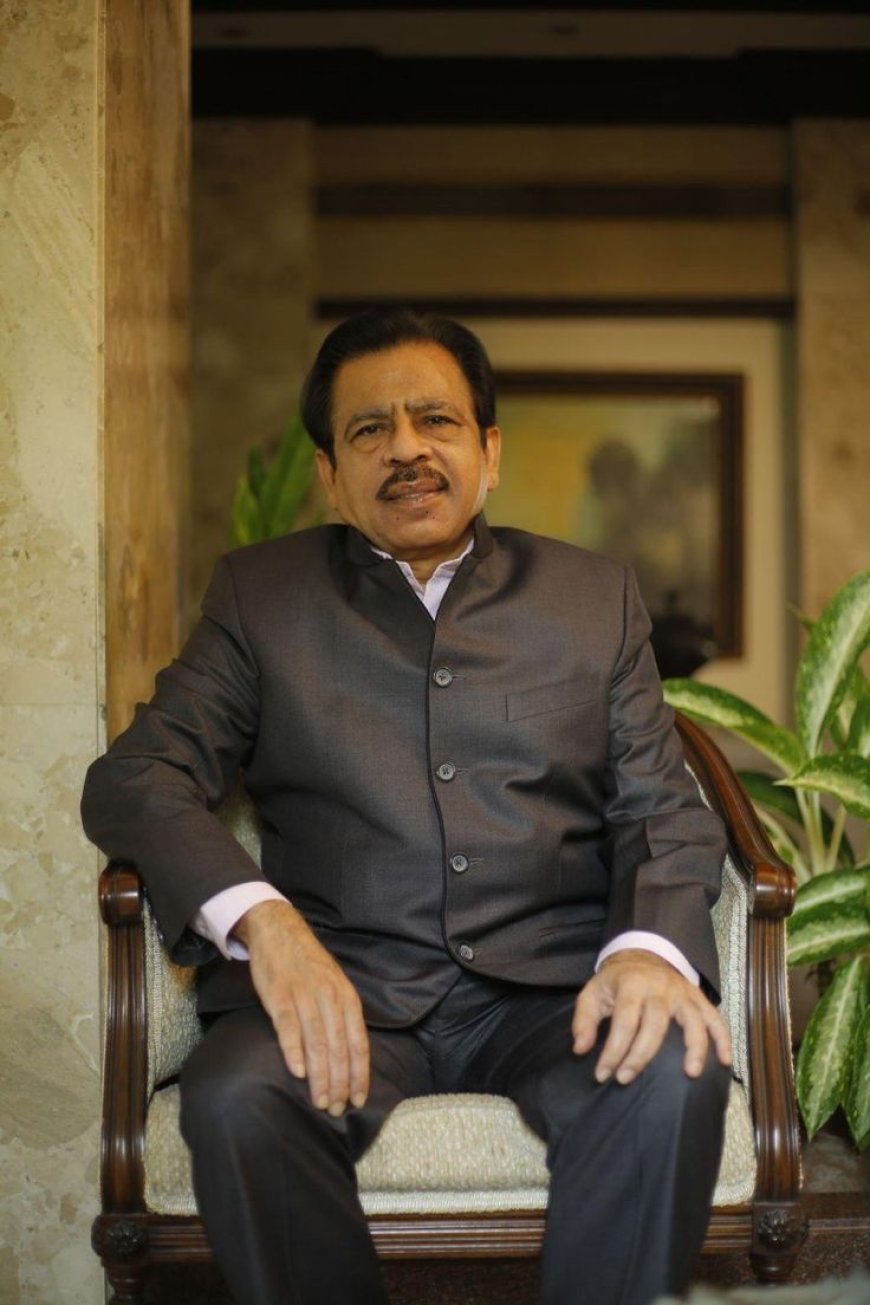
ortunitynot just in profits, but in people. His journey illustrates how traditional industries, when guided by innovation and responsibility, can become modern success stories.
The jute sectors revival serves as a model for how sustainability and social good can go hand in hand. With the right leadership, even the oldest industries can weave a bright future.