




















VR Innovations Transforming Interior Scale Models Dubai
Interior-focused architectural scale models in Dubai are evolving rapidly with the integration of virtual reality technologies. While physical models offer tactile insight and spatial clarity, virtual reality brings a new layer of interactivity and immersion.

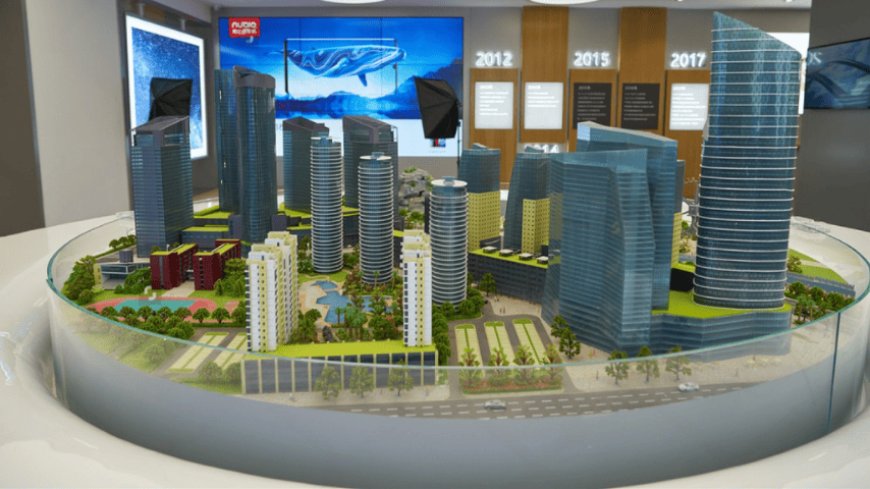
Interior-focused architectural scale models in Dubai are evolving rapidly with the integration of virtual reality technologies. While physical models offer tactile insight and spatial clarity, virtual reality brings a new layer of interactivity and immersion.
By combining both physical and digital elements, designers and clients gain a more holistic view of interiors before construction begins. In Dubais fast-paced design and real estate industry, this fusion of scale modeling and VR helps create more informed, creative, and client-driven design processes.
Blending Physical Models with Virtual Experiences
The integration of virtual reality into architectural scale models Dubai is reshaping how interiors are presented. Instead of relying on only physical elements, VR-linked models allow users to experience spaces from a human perspective. This hybrid approach enhances spatial understanding and supports decision-making.
Dubais interior design scene places a strong emphasis on innovation, especially in luxury developments, hospitality, and retail. As projects grow more complex, combining traditional scale models with VR walkthroughs gives stakeholders a dynamic way to explore furniture layouts, lighting schemes, finishes, and room connections.
Using QR Codes and NFC Tags on Physical Models
One of the simplest yet powerful innovations is embedding QR codes or NFC (near-field communication) tags into the physical scale model. These tags are placed on different parts of the model, such as bedrooms, kitchens, reception zones, or meeting rooms. When scanned with a mobile device or VR headset controller, the tag launches a virtual reality experience that corresponds to the selected area.
In Dubai, where interior spaces often feature hidden luxury elements or layered detailing, this method helps reveal whats beyond the walls. Clients can look inside a suite, conference room, or retail corner without opening the model physically.
Interactive Touchscreen Tables Linked to VR Headsets
Interior-focused architectural model presentations in Dubai now include touchscreen tables with linked VR content. These tables display floor plans, elevations, and animated transitions of the physical model. By tapping on different zones of the digital plan, users can launch a VR walkthrough on their headset. This seamless interaction helps clients understand not only the layout but also the emotional feel of the space.
These innovations are especially popular in Dubai for selling premium apartments, luxury penthouses, or custom-designed office floors. The combination of touch-based controls and immersive visuals enhances engagement and supports faster design approvals.
Augmented Reality Overlays on Physical Models
Augmented reality (AR) is often used alongside VR to create a more flexible experience. AR applications allow users to point a smartphone or tablet at the physical model and view digital overlays. These overlays might include lighting simulations, material palettes, furnishing styles, or user flow animations.
In Dubai, where client expectations are high and details matter, these AR overlays allow designers to present multiple design options in the same physical setting. Users can switch from one interior mood board to another without altering the model. This helps clients explore different atmospheres, such as daytime versus evening lighting or minimalist versus ornate decor.
Real-Time Customization Features
Another exciting innovation is real-time customization. VR-linked scale models now allow users to change certain interior features on the fly. These may include wall finishes, flooring, ceiling lights, and even furniture styles. This feature supports Dubais personalized design culture, where clients often request changes that reflect their individual taste or cultural preferences.
With a VR headset, the user can select from preset design templates or manually alter the virtual space. These changes are often reflected in synced digital screens beside the physical model, helping other stakeholders follow the transformation in real time.
360-Degree Walkthroughs Synced to Scale Models
Designers in Dubai increasingly offer 360-degree VR walkthroughs that match the physical scale model layout. These walkthroughs allow users to navigate the virtual space using controllers or body movement. The direction and movement inside the virtual world match the physical orientation of the model on the table. This synchronization gives users a deeper connection between the physical and digital layers of design.
The experience is particularly useful for large or layered interiors, such as resorts, malls, or mixed-use towers. Users can enter the VR experience directly from the model and travel through lobbies, corridors, suites, and event areas seamlessly.
Data Collection for User Behavior Insights
Some advanced VR-linked interior scale models in Dubai are now equipped with tracking features. These gather data on user behaviorwhere they look, how long they stay in a room, or which layout they prefer. This feedback is then used by interior designers to refine layouts or highlight features that attract the most attention.
For example, if multiple clients spend more time in a specific retail corner or suite layout, that version can be pushed forward in the design process. This data-driven approach ensures that interior designs are aligned with actual user preferences and not just assumptions.
Applications in Retail, Hospitality, and Real Estate
The innovations in VR-linked interior-focused models are widely applied across sectors in Dubai. In the retail industry, brands use them to test store layouts and customer flow. In hospitality, hotels and resorts use them to showcase guest journeys through lobbies, spas, and villas. In the real estate market, developers use VR models to sell off-plan apartments and commercial units with full interior fit-outs.
These tools give clients confidence in their investment and help them visualize their future environment clearly. They also help designers fine-tune every detail to match real-world expectations.
Conclusion
VR-linked interior-focused architectural scale models Dubai represent a new era of immersive design communication. By combining physical precision with digital flexibility, they offer a multi-sensory experience that improves spatial understanding and client involvement.
Through innovations like QR-triggered experiences, AR overlays, real-time customization, and synchronized walkthroughs, these tools reshape how complex interiors are presented and reviewed. In Dubai, where design excellence and client experience are critical, such advancements are driving the future of architectural modeling.