





















Leather vs. Vegan Leather: Which One Should You Choose?

In the world of fashion and accessories, the debate between leather and vegan leather has gained significant attention. Whether you're looking for durability, sustainability, or ethical considerations, the choice between these two materials can impact not just your style but also your values. In this article, well explore the characteristics, pros, and cons of both leather and vegan leather to help you decide which one is the better fit for your lifestyle.
Understanding the Basics: What is Leather?
Leather is a natural material made from animal hides, commonly from cows. It's been used for centuries due to its strength, durability, and timeless aesthetic. The tanning process preserves the hide and transforms it into a material suitable for a wide range of products, from shoes and jackets to furniture and car interiors.
One of the main attractions of leather is how it ages. Over time, genuine leather develops a patinaa soft sheen that enhances its character and individuality. This natural aging process is highly valued by leather enthusiasts, making it a long-term investment for many consumers.
What is Vegan Leather?
Vegan leather, as the name suggests, is a cruelty-free alternative made without using animal products. It's typically manufactured from synthetic materials like polyurethane (PU) or polyvinyl chloride (PVC), although more eco-conscious versions are now made from plant-based sources like cork, apple peels, pineapple leaves (Piatex), and mushrooms.
While vegan leather mimics the appearance and feel of traditional leather, its composition and durability can vary depending on the production method and materials used. Its growing popularity is largely driven by ethical and environmental concerns.
Durability and Longevity: A Key Factor
When it comes to longevity, leather usually outperforms vegan leather. Genuine leather products can last for decades with proper care, making them a popular choice for consumers who value longevity over trends. In contrast, most vegan leather items tend to wear out faster and may show signs of cracking or peeling within a few years.
That said, technological advancements are improving the quality of vegan leather. Some high-end vegan options now offer better resistance to moisture and wear, although they still generally lag behind leather in terms of durability.
Environmental Impact: A Complex Comparison
One of the primary reasons people choose vegan leather is its perceived eco-friendliness. However, the environmental story is more complex than it seems.
Leather production is resource-intensive and involves chemicals in the tanning process that can pollute waterways. However, it's also a byproduct of the meat industry, which means it utilizes materials that might otherwise go to waste.
On the other hand, synthetic vegan leather made from plastic derivatives contributes to microplastic pollution and is not biodegradable. While plant-based vegan leathers offer a more sustainable alternative, they are not yet as widespread or affordable.
In short, if environmental impact is your main concern, it's essential to look into how and where the leather or vegan leather was produced rather than assuming one is automatically better than the other.
Ethical Considerations and Animal Welfare
Ethics play a significant role in this debate. Vegan leather clearly wins in terms of animal welfare. For those who adhere to a vegan lifestyle or are against animal exploitation, vegan leather is the obvious choice.
However, some people argue that if the leather is sourced responsibly as a byproduct of the meat industry and processed in environmentally conscious tanneries, it can be considered a more ethical option than plastic-based materials that harm the planet in other ways.
Style, Appearance, and Feel
From a fashion perspective, both leather and vegan leather offer stylish options, but they do have distinct differences in look and feel. Genuine leather often has a rich texture and scent that is hard to replicate. Its natural grain and ability to develop character over time give it a premium edge.
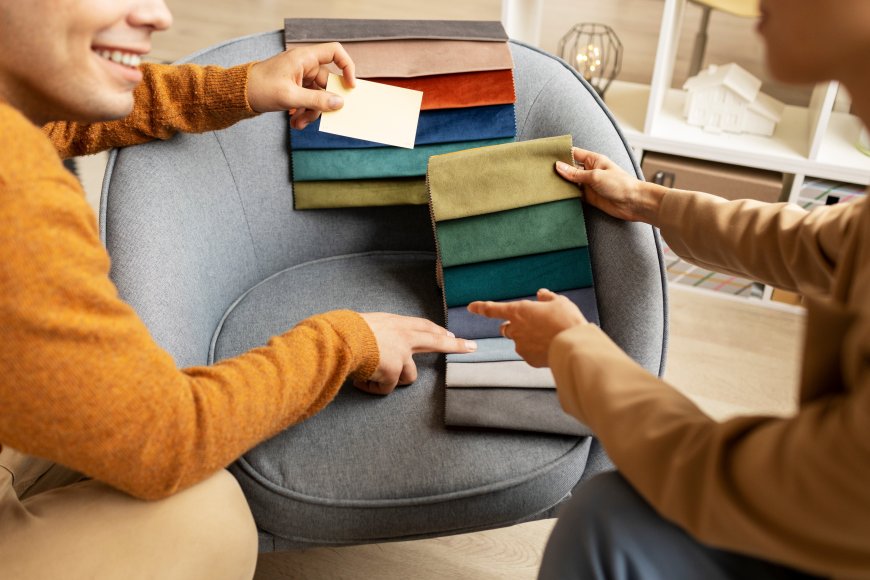
Vegan leather, while increasingly sophisticated, still lacks the authentic feel of natural leather. It does, however, come in a broader range of colors and finishes, which appeals to trend-driven consumers.
If you're choosing a statement piece like a jacket or a luxury accessory, genuine leather might offer a more refined aesthetic. But for colorful, fashion-forward items, vegan leather is an excellent choice.
Maintenance and Care
Leather requires more maintenance than vegan leather. It needs regular conditioning to keep it supple and protect it from drying out or cracking. You should also avoid prolonged exposure to moisture, which can stain or warp the material.
Vegan leather is typically more low-maintenance. It can usually be wiped clean with a damp cloth and doesn't require conditioning. However, once it starts to crack or peel, there's little you can do to restore it.
For example, when caring for mens leather bags Toronto often involves routine cleaning, proper storage, and leather conditioner to maintain the products finish and flexibility.
Affordability and Accessibility
One of the biggest advantages of vegan leather is its affordability. Since it doesnt require animal hides or a lengthy tanning process, vegan leather products are generally less expensive. This makes them accessible to a wider audience and suitable for people who want to follow fashion trends without a significant financial commitment.
On the other hand, leather is considered a premium material. Its cost reflects the craftsmanship, durability, and longevity it provides. If you're looking for a long-term investment rather than a seasonal trend, leather is worth the higher upfront cost.
Versatility in Products
Both materials are used to craft a wide range of items including clothing, footwear, and accessories. For instance, those shopping for bags and handbags can find elegant designs in both genuine and vegan leather options. The choice often comes down to personal preference, lifestyle needs, and ethical considerations.
Final Thoughts: Which One Should You Choose?
Ultimately, the decision between leather and vegan leather boils down to your priorities. If you value durability, long-term investment, and timeless style, genuine leather may be the better option. It offers unparalleled aging characteristics and robustness for heavy-use items.
However, if youre motivated by animal welfare, affordability, and variety in colors and styles, vegan leather offers an ethical and budget-friendly alternative. Its especially appealing to younger, trend-conscious consumers who want cruelty-free options.
In either case, being informed about the source, manufacturing process, and impact of your purchase is crucial. Whether you go for genuine leather or a vegan substitute, thoughtful choices can lead to a more sustainable and stylish lifestyle.