























Precision & Practicality: A Retailer's Guide to Compliant ADA Fitting Room Signs
Ensure your retail space is fully accessible. This guide details the specific design principles, material choices, precise mounting instructions, and common pitfalls for ADA fitting room signs, crucial for businesses seeking full compliance.
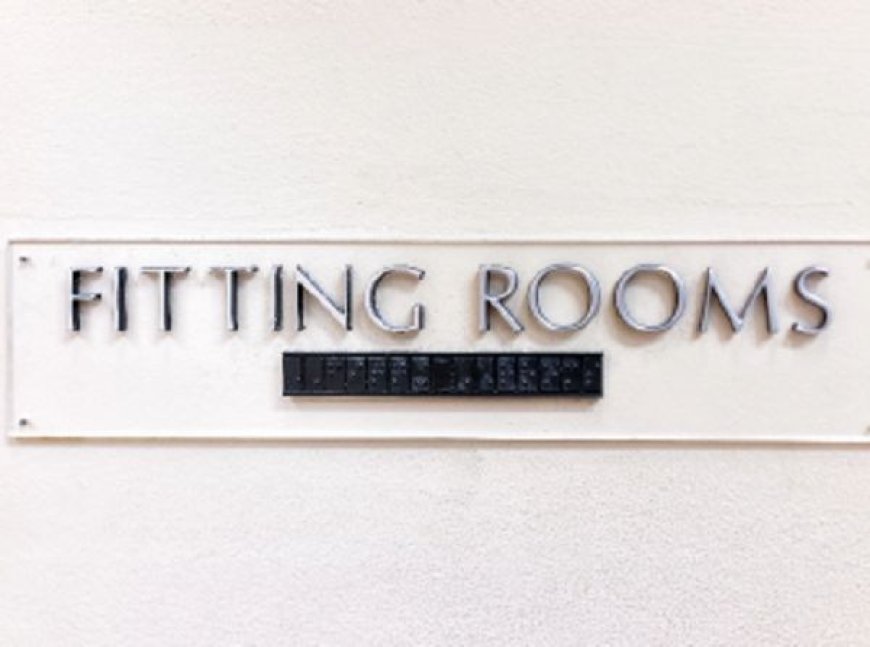
For retail businesses, providing an excellent customer experience is paramount. This experience, however, must be universal, extending to customers of all abilities. While the physical attributes of an accessible fitting room (size, clear space, bench, etc.) are critical, their utility is significantly diminished if they are not clearly and compliantly identified. This is where ADA fitting room signs come into play, serving as essential guides that require meticulous attention to detail in their design, fabrication, and installation.
At Busology Tech, our core expertise lies in developing precise IT solutions, often involving intricate UI/UX design, adherence to strict digital standards, and ensuring accessibility in the virtual realm. This methodical approach translates directly to understanding the stringent requirements for physical signage. This guide aims to provide retailers and facility managers in Bhopal and beyond with a practical, detailed overview of the key specifications for compliant ADA fitting room signs.
The Specifics: Key ADA Guidelines for Fitting Room Signs
To ensure your ADA fitting room signs are fully compliant, attention to these detailed specifications is essential:
-
Identification and Pictograms:
-
The sign must clearly identify the space as a "Fitting Room" or "Changing Room."
-
For accessible fitting rooms, the International Symbol of Access (ISA) the universally recognized wheelchair symbol must be prominently displayed.
-
If a pictogram is used (like the ISA), its field (the background around the symbol) must be at least 6 inches (150 mm) high.
-
All pictograms must have corresponding tactile text and Grade 2 Braille descriptions directly below them.
-
-
Mounting Height and Location:
-
Placement: The sign must be mounted on the wall adjacent to the latch side of the fitting room door. This standardized location allows individuals with visual impairments to consistently find the sign.
-
Clear Floor Space: Ensure there is a clear floor space of at least 18 inches by 18 inches (455 mm by 455 mm) centered on the sign, extending beyond the swing of the door. This allows approach by a person using a wheelchair or a cane.
-
Height: The baseline of the tactile characters on the sign must be positioned between 48 inches (1220 mm) and 60 inches (1525 mm) above the finished floor. This specific range accommodates both standing individuals and those using wheelchairs.
-
-
Tactile Characters (Raised Text):
-
Relief: Characters must be raised at least 1/32 inch (0.8 mm) from the sign's surface.
-
Font Style: Only simple sans serif (e.g., Helvetica, Arial) or simple serif fonts are permitted. Ornate, italic, script, or overly condensed/expanded fonts are non-compliant as they hinder legibility by touch.
-
Uppercase Only: All tactile characters must be in uppercase.
-
Proportions: Specific ratios apply for character width-to-height (between 3:5 and 1:1) and stroke width-to-height (between 1:10 and 1:5).
-
Height: Tactile characters must be between 5/8 inch (16 mm) and 2 inches (51 mm) high.
-
Spacing: Precise spacing requirements exist for characters and lines of text to ensure readability.
-
-
Braille (Grade 2):
-
Mandatory: Every tactile character must have corresponding Grade 2 Braille placed directly below the raised text. Using Grade 1 Braille is a common non-compliance error.
-
Placement: Braille should be positioned at least 3/8 inch (9.5 mm) below the baseline of the lowest line of tactile text.
-
Dot Dimensions & Spacing: Braille dots must meet exact height, diameter, and spacing specifications.
-
-
Visual Characteristics:
-
High Contrast: There must be a minimum 70% contrast ratio between the color of the characters/pictograms and the background color of the sign. This ensures legibility for individuals with low vision.
-
Non-Glare Finish: The sign surface must be matte, eggshell, or other non-glare finishes. Glossy surfaces produce reflections that can make the sign unreadable.
-
Material Choices for Retail Environments
When selecting materials for ADA fitting room signs, consider both compliance and the retail aesthetic:
-
Durability: Retail fitting rooms experience high traffic. Materials like acrylic, engraved plastics, or certain metals offer good durability.
-
Non-Glare Properties: Ensure the chosen material inherently has a matte finish or can be treated to achieve it.
-
Aesthetics vs. Compliance: While the sign should complement your store's design, compliance takes precedence. A well-made ADA sign can seamlessly blend functionality with aesthetic appeal.
Common Compliance Pitfalls for Retailers
-
Overlooking "Accessible" Signage: Assuming a large fitting room automatically implies accessibility without the specific ISA and accompanying ADA text/Braille.
-
Incorrect Braille: Using Grade 1 Braille or non-standard Braille.
-
Improper Mounting: Signs mounted too high, too low, or on the wrong side of the door.
-
Glossy Finishes: This is a very frequent and easily avoidable mistake.
-
Poor Contrast: Subtle color palettes that fail the 70% contrast ratio.
-
Temporary Signs: Using laminated paper signs for permanent rooms is non-compliant.
The Value of Professional Expertise
Navigating the intricate details of ADA signage requires specialized knowledge. While Busology Tech focuses on digital solutions, our expertise in precision UI/UX design, ensuring digital accessibility, and adhering to strict specifications for optimal user experience translates directly to the meticulous requirements of physical ADA signage. We advocate for partnering with sign fabricators who:
-
Specialize in ADA Compliant Signage: They possess the specific knowledge of all current ADAAG.
-
Understand Retail Environments: Can advise on durable, compliant materials that fit your store's look.
-
Provide Installation Guidance: Ensure correct mounting to avoid non-compliance.
-
Stay Updated: ADA guidelines can be updated, so choosing an expert is vital.
By meticulously following these guidelines for your ADA fitting room signs, you not only safeguard your business from legal risks but also cultivate an environment where every customer feels welcomed, respected, and empowered to shop with dignity. This is a smart business decision that extends your reach and enhances your brand's reputation for inclusivity.