
























Revitalizing India’s Golden Fiber: A Contemporary Perspective

Introduction
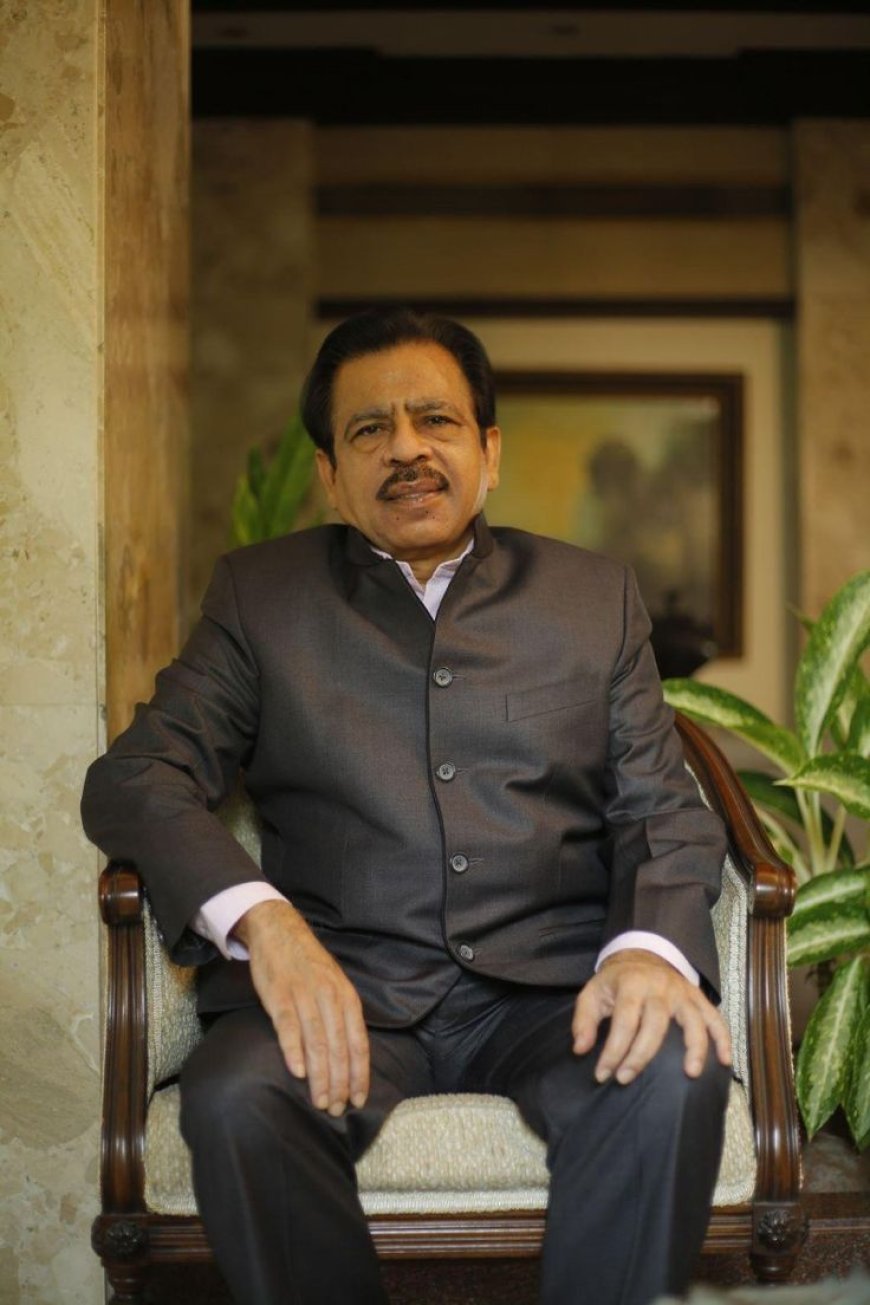
When pro industrialist Ghanshyam Sarda speaks about the renaissance of Indias jute quarter, he inspires both nostalgia and ahead?looking optimism. Once hailed as golden fiber, jute powered economies and livelihoods across eastern India before synthetic options and policy stagnation brought on a protracted decline. Today, buoyed with the aid of international demand for sustainable substances and visionary leadership, the industry is rising once more. This weblog explores how strategic investments, technology adoption, and inclusive growth models are ushering in a colourful new bankruptcy for juteone that balances heritage with innovation.
A Rich Legacy Revisited
Long before plastic became ubiquitous, jute sacks and ropes moved the worlds grain, coal, and mail. Bengals turbines pulsed day and night, employing lakhs of people and generating crucial export revenue for the young republic. Yet reasonably-priced polymer substitutes, fragmented supply chains, and erratic regulations slowly eroded competitiveness. In recent years, sustained lobbying by enterprise champions and environmentalists catalyzed renewed interest and policy alignment. Mandatory jute packaging for food grains in India and a international shift toward herbal fibers reopened a once?clogged pipeline of orders. Modern entrepreneurs see in jute not simply an echo of the past however a flexible platform for eco?pleasant innovation throughout sectors.
Sustainable Solutions for a Greener Tomorrow
Beyond sacks and mats, todays jute may be spun into sleek purses, geotextiles that lower soil erosion, and biodegradable composites sturdy sufficient for automotive interiors. Research partnerships between mill owners, universities, and global brands are unlocking fee some distance beyond the fibers traditional remit. Investments in purifier retting techniques and power?green looms are slashing water use and carbon footprints, making jute an appealing opportunity for climate?aware consumers international. Government incentives for low?carbon production further sweeten the deal, while blockchain?enabled traceability assures customers of moral sourcing and truthful wages. Each leap forward widens jutes application spectrum, positioning the sector as a foundational pillar of the round economy that policymakers now champion.
Empowering Rural Communities
The jute revival is likewise a social narrative. Eighty percent of the crop is grown with the aid of smallholder farmers in riverine tracts of West Bengal, Bihar, and Assam. When demand plummeted inside the 1990s, many households migrated to towns in search of precarious paintings. With renewed mill ordersand buy?lower back guarantees orchestrated with the aid of leaders such as Ghanshyam Sardavillagers are returning to their fields. Extension applications train higher seed varieties, natural pest manage, and mechanized ribbon retting that preserves fiber great whilst defensive rivers from chemical runoff. Womens self?help organizations are sewing value?delivered items, retaining a extra share of income within rural economies. As incomes stabilize, communities put money into fitness, education, and connectivity, sowing the seeds of long?term resilience and dignity.
Charting a Global Roadmap
To maintain momentum, the enterprise have to assume beyond domestic mandates. Rising eco?tariffs in Europe and North America create each possibility and chance: jute items can command premiums, however deliver chains m
ust comply with strict environmental and hard work standards. Forward?looking mill proprietors are pursuing ISO and B?Corp certifications, automating satisfactory tests, and building direct?to?client e?trade channels. Collaborations with style houses and furniture designers are repositioning jute as a chic cloth, not simply utilitarian. With supportive alternate diplomacy, clever branding, and persisted personal funding, Indian jute may want to seize a massive share of the projected $thirteen?billion worldwide herbal fiber marketplace with the aid of 2030.
Conclusion
The revival adventure is a ways from over, but its trajectory is unmistakable. Guided through stalwarts like Ghanshyam Sarda, jute is weaving sustainability, livelihoods, and country wide pride into a single, resilient cloth that the sector more and more values.