





















The Ultimate Guide to Building and Using a Non-Profit Organization Email List
Get Non-Profit Organization Management Email List Database for marketing. Our Non-Profit Organization Email List includes; Contact Name, Email Address, and Location. The database is updated and low bounce rate. The email list contains records in MS Excel (.xlsx) format.
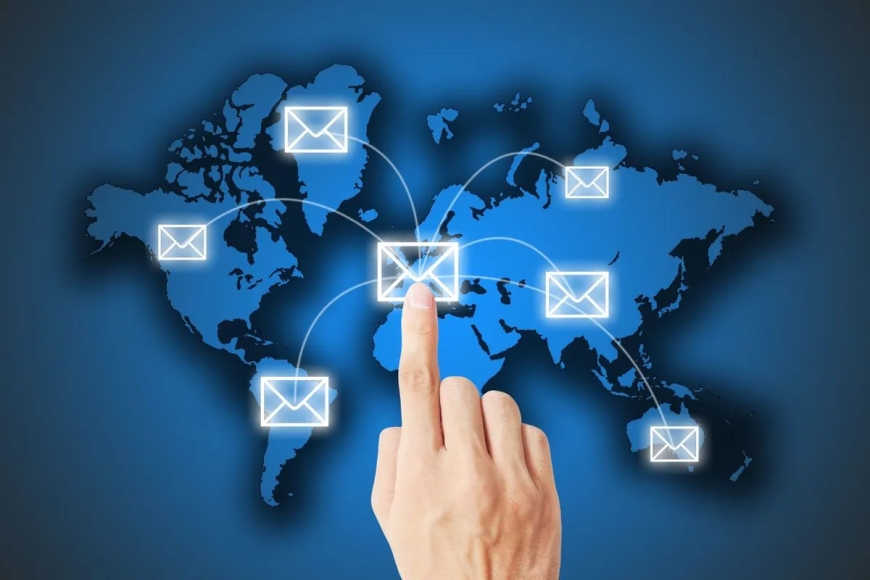
In todays digital-first world, a non-profit organization email list is one of the most powerful tools for outreach, fundraising, volunteer coordination, and mission promotion. Whether you're managing a grassroots initiative or a global foundation, the ability to communicate directly with your supporters via email can significantly enhance your impact.
In this guide, we'll explore why email lists are essential for non-profits, how to build one from scratch, best practices for managing and growing it, and how to use it effectively to further your organization's mission.
Why a Non-Profit Organization Email List Matters
Email marketing continues to offer one of the highest returns on investment (ROI) across industries and non-profits are no exception. Heres why having a well-maintained email list is crucial:
-
Direct Communication
Emails go straight to the inbox of your supporters. Unlike social media algorithms that control visibility, email offers guaranteed delivery to subscribers. -
Cost-Effective
Email marketing platforms like Mailchimp, Constant Contact, and ConvertKit offer low-cost or even free plans for non-profits, making this channel affordable and scalable. -
Builds Long-Term Relationships
A well-segmented and regularly nurtured email list helps build trust and keeps your audience engaged with your mission over time. -
Drives Donations
According to M+R Benchmarks, email accounted for 15% of all online revenue for non-profits in recent years. Timely, personalized donation appeals sent via email can significantly increase fundraising. -
Promotes Events and Campaigns
From fundraising galas to volunteer days, your email list is your most reliable channel for promoting events and getting people to show up and take action.
How to Build a Non-Profit Organization Email List
Creating a robust and permission-based email list doesnt happen overnight, but with the right strategies, you can build a list thats engaged and responsive.
1. Create a Value-Driven Sign-Up Form
People wont give away their email for nothing. Offer something valuable in return:
-
A downloadable impact report
-
A free volunteer toolkit
-
Subscription to a monthly impact newsletter
Make sure your sign-up form is simple, GDPR-compliant, and clearly states what subscribers can expect.
2. Promote Your Sign-Up Form Everywhere
Your email sign-up opportunity should be easy to find:
-
Homepage and footer of your website
-
Blog articles
-
Social media bios and posts
-
During webinars and in-person events
-
Donation confirmation pages
3. Collect Emails Offline
Events, workshops, and volunteer activities are all great opportunities to collect email addresses. Use digital sign-up tools like tablets or QR codes to make the process quick and paperless.
4. Partner with Like-Minded Organizations
Collaborate with other non-profits or businesses that share your values to co-host webinars or cross-promote content. With permission, you can often gain access to each others audiences.
5. Use Social Media for Lead Generation
Run targeted Facebook and Instagram ads offering a free guide or downloadable in exchange for an email. With the right targeting, this can be a cost-effective method for growing your list.
Best Practices for Managing a Non-Profit Email List
A big list means nothing if its unengaged. Quality beats quantity when it comes to email subscribers. Here are best practices for keeping your list healthy and active:
1. Segment Your List
Divide your list based on donor type, volunteer involvement, location, or engagement history. This allows for more personalized communication:
-
Past donors
-
New subscribers
-
Monthly donors
-
Event attendees
2. Regularly Clean Your List
Remove inactive or bounced emails periodically. This keeps your open rates high and reduces the chances of landing in spam folders.
3. Use a CRM or Email Marketing Platform
Platforms like Mailchimp, ActiveCampaign, or Bloomerang help you automate email sequences, track engagement, and maintain list hygiene.
4. Honor Opt-Out Requests
Always include an unsubscribe link in your emails and respect privacy laws like GDPR and CAN-SPAM. Trust is critical in non-profit communications.
How to Use a Non-Profit Organization Email List Effectively
With your list built and properly maintained, heres how to make the most of it:
1. Tell Compelling Stories
People dont give to organizations; they give to causes and people. Use storytelling to highlight:
-
Beneficiaries
-
Volunteers
-
Behind-the-scenes efforts
-
Real-world impact
2. Send Consistent Newsletters
A monthly or bi-weekly email newsletter keeps your community informed. Include:
-
Recent success stories
-
Updates on ongoing projects
-
Upcoming events
-
Volunteer opportunities
3. Personalize Your Messages
Use merge tags to include names, past donation history, or relevant content. Personalized emails have significantly higher open and click-through rates.
4. Launch Email Fundraising Campaigns
Plan seasonal or emergency appeals that guide readers to donate through a well-structured call to action. Always show how the money will be used and the tangible outcomes.
5. Use Automated Workflows
Set up automation to nurture your list:
-
Welcome series for new subscribers
-
Birthday or thank-you messages for donors
-
Re-engagement emails for inactive users
Key Metrics to Track
Your email marketing efforts need to be measured. Key performance indicators (KPIs) include:
-
Open Rate: The percentage of recipients who open your email. Good benchmarks are 2030%.
-
Click-Through Rate (CTR): The percentage of people who clicked a link within the email.
-
Conversion Rate: The percentage of recipients who took the desired action (e.g., donated, registered).
-
Unsubscribe Rate: A high rate might mean your emails are too frequent or not relevant.
Avoid Buying Non-Profit Email Lists
While it might seem tempting to buy a pre-compiled non-profit organization email list, this is a poor practice for several reasons:
-
Its illegal or unethical in many regions (GDPR violations)
-
Low engagement rates (people didnt opt-in)
-
Youll hurt your sender reputation, leading to emails being marked as spam
Instead, focus on building an organic list of individuals genuinely interested in your cause.
Final Thoughts
A non-profit organization email list is not just a communication tool its the foundation of your digital fundraising and engagement strategy. When cultivated and used strategically, your list becomes a vibrant community of supporters who are informed, inspired, and ready to act.
Focus on providing value, telling compelling stories, and maintaining respectful communication. Over time, this approach will strengthen your relationships with supporters, increase donations, and multiply your missions impact.