






















The Enduring Power of Figurative Paintings: Bridging Realism, Expression, and Contemporary Thought
Explore the timeless appeal of figurative paintings, where Indian artists blend emotion, identity, and storytelling through powerful visual expression.
Introduction: The Human Form as a Timeless Canvas
Throughout history, figurative paintings have captured the essence of humanityour bodies, emotions, relationships, and identities. From the cave walls of Bhimbetka to the grandeur of Renaissance masterpieces, the portrayal of the human figure has served not just as artistic documentation, but as a mirror to culture, society, and inner experience. In todays fast-evolving art landscape, figurative art continues to hold a firm placerevived, reinterpreted, and reimagined by modern artists who explore its expressive and conceptual depth.
As digital abstraction and AI-generated visuals rise in popularity, figurative paintings remain a grounding forcetangible, relatable, and rich in narrative. This guest post examines the continued relevance of figurative painting, the styles and innovations shaping its future, and strategic advice for artists, collectors, and curators invested in this evolving genre.
What Are Figurative Paintings? Beyond Literal Representation
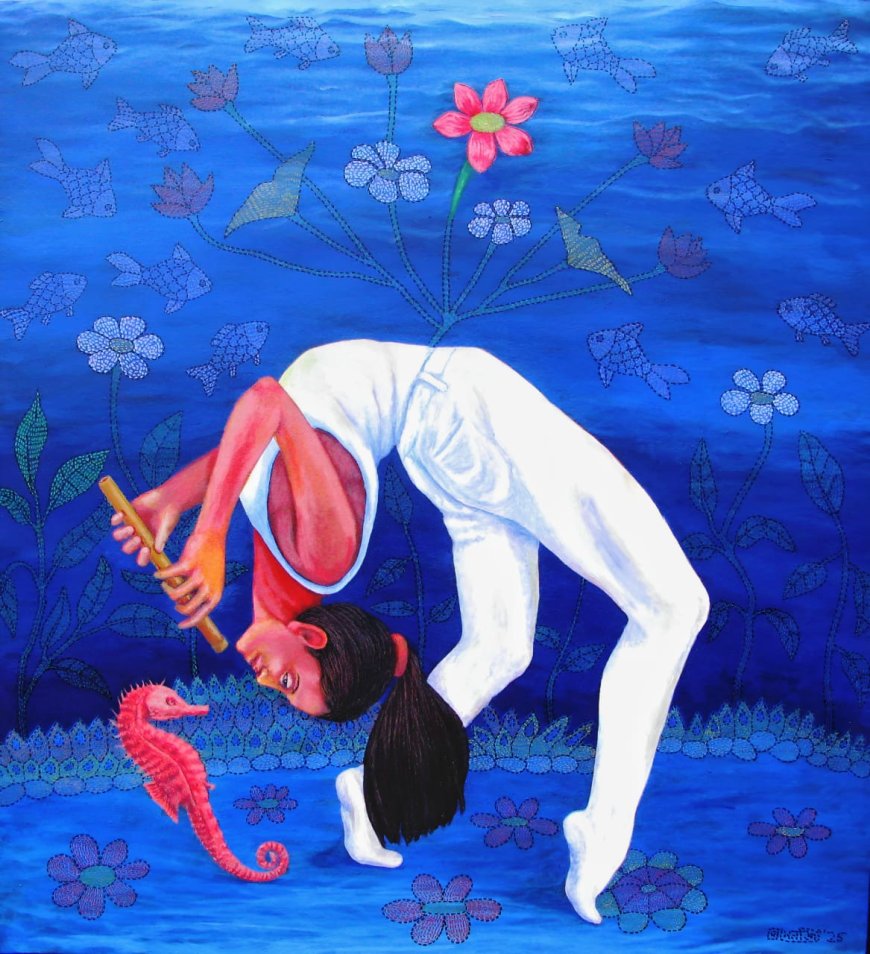
At its core, figurative painting is art that represents recognizable real-world subjects, particularly the human form. It contrasts with abstract art, which may use shapes and colors independent of visible reality. However, figurative does not necessarily mean photographic. From classical realism to surreal distortion, figurative paintings can range from precise depictions to symbolic representations.
Core Characteristics:
-
Human-centered: Emphasis on figures, posture, gestures, and expression.
-
Narrative potential: Figurative works often imply or explicitly tell a story.
-
Symbolic layering: Figures often stand in for emotions, archetypes, or sociopolitical themes.
-
Diverse techniques: Oil, acrylic, ink, watercolor, mixed media, and digital interpretations.
Figurative art acts as a languagesometimes subtle, sometimes dramaticthrough which artists convey everything from intimate portraits to sweeping commentaries on human nature.
A Brief History: From Tradition to Transformation
Figurative painting is one of the oldest and most enduring art forms. Across civilizations, the body has been central to visual storytelling.
-
Classical & Renaissance Europe: Artists like Michelangelo and Botticelli mastered anatomy and expression, elevating human beauty and spirituality.
-
Mughal & Rajput India: Miniature paintings showcased court life, mythology, and emotion through intricate figurative work.
-
Modern Indian Masters: Artists like Amrita Sher-Gil, M.F. Husain, and Tyeb Mehta redefined figurative painting with modernist influences and indigenous themes.
Today, figurative painting straddles a rich blend of stylesfrom hyperrealism to expressive abstractionoften interwoven with socio-cultural narratives, gender identity, postcolonial critique, and more.
Contemporary Perspectives: The Rise of Figurative Art in Modern Times
In recent years, figurative painting has seen a significant resurgence globally. With renewed focus on identity, race, gender, and psychological experience, many artists are returning to the figure as a potent symbol.
Emerging Themes in Contemporary Figurative Art:
-
Body as Identity: Artists explore the body as a vessel of race, gender, sexuality, and trauma.
-
Neo-surrealism: Combining dreamlike settings with distorted figures to delve into subconscious realms.
-
Cultural Hybridity: Fusing Western techniques with indigenous aesthetics or folk elements.
-
Urban Realism: Documenting the everyday lives of people in contemporary cities and rural contexts.
-
Digital Fusion: Figurative art is now being created through digital brushes, VR simulations, and AI-enhanced imagery.
Indian artists like Arpita Singh, Anju Dodiya, and Jogen Chowdhury continue to explore figurative forms with deeply personal, political, and poetic undertones.
For Artists: Actionable Advice to Master Figurative Painting
Whether you're emerging as a figurative artist or evolving your style, here are practical steps to grow your practice meaningfully:
1. Study Anatomy, Expression, and Movement
Understanding human anatomy is foundational. Use life drawing sessions, anatomy books, or virtual models to improve precision and confidence.
2. Find Your Narrative
Avoid simply copying the figuregive it purpose. Let your figures tell a story, express a conflict, or reflect your heritage, identity, or observations.
3. Experiment with Style
You need not adhere to realism. Blend figurative elements with abstract, surreal, or symbolic techniques to add depth and originality.
4. Use the Figure to Explore Modern Issues
The figure can be a powerful conduit for contemporary themes such as mental health, feminism, migration, or climate anxiety. Dont shy away from integrating relevance.
5. Engage with Critique and Curation
Participate in shows, group exhibitions, or residencies where your figurative work can be contextualized, critiqued, and refined.
For Collectors: Why Figurative Paintings Are Worth Your Investment
Figurative paintings are not just visually engagingthey offer emotional, historical, and philosophical resonance. Collectors globally are drawn to figurative works for their enduring appeal and conceptual richness.
Key Reasons to Invest in Figurative Art:
-
Timeless relevance: Unlike some trends, figurative art has perennial demand.
-
Strong narrative content: Figurative works often connect emotionally and intellectually with buyers.
-
Market appreciation: Works by established figurative artistsparticularly Indian modernistshave shown consistent growth in value.
-
Versatility: Figurative art complements both classical and contemporary interior spaces.
-
Diverse entry points: From detailed realism to expressive abstraction, there's a style to suit every collector's vision and budget.
Platforms like IndianArtIdeas offer curated collections of figurative paintings by both celebrated and emerging Indian artists, complete with artist bios and secure buying experiences.
Curation and the Role of Galleries in Elevating Figurative Work
Galleries and online platforms are vital in contextualizing and amplifying figurative paintings. With the rise of virtual exhibitions, curated experiences now go beyond wall displays.
Key Strategies for Curators:
-
Thematic exhibitions: Group works by emotion, theme, or sociopolitical issue rather than just technique.
-
Educational engagement: Use text panels, video content, or artist talks to unpack complex figurative narratives.
-
Digital storytelling: Enhance online galleries with zoomable details, interviews, and audio guides to draw viewers deeper into the work.
-
Intersectional representation: Highlight diverse voicesgender, regional, linguisticin the figurative space to broaden dialogue and inclusion.
Galleries like IndianArtIdeas have been instrumental in presenting figurative artists in digital formats, bridging the gap between physical and virtual viewership.
The Future of Figurative Painting: A Dynamic Renaissance
As global art trends continue to shift, figurative painting stands at an exciting crossroads. With tools like augmented reality, AI assistance, and multisensory installations, the genre is being redefined beyond the canvas.
-
Hybrid Forms: Figurative imagery is now being embedded into sculpture, textiles, and performance art.
-
Digital figurativism: Artists create immersive environments where the human form moves in virtual space.
-
Sociopolitical urgency: As the world grapples with identity politics, war, and climate change, the human figure becomes even more central in visual activism.
The evolution of figurative art is not about abandoning the past, but about reimagining the human form for a changing world.
Conclusion: The Figure Remains
Figurative paintings continue to captivate because they touch something universal. They remind us of ourselves, our stories, our struggles, and our beauty. In a world saturated with filtered imagery and fleeting visuals, figurative art remains rootedemotionally resonant and intellectually stirring.
For artists, its a means of expression that never grows old. For collectors, it offers aesthetic and cultural richness. And for society, it provides a mirroroften challenging, always revealing.
In celebrating figurative paintings, we celebrate the essence of being human. Let us continue to draw, paint, and view the figure not as a static form, but as an evolving language that speaks to the heart of our shared existence.