




















What to Do When a Tooth Gets Dislodged: Quick Handbook
Fast actions to manage a loose or lost tooth. Preserve it, act smart, and get expert help from an emergency dentist in Maidenhead without delay.


Whether its the result of a fall, a blow to the face, or biting down on something hard, a dislodged tooth can be an unsettling experience. In the heat of the moment, its easy to panic, but how you respond can significantly affect the outcome. Understanding what to do immediately and knowing when to seek professional help could mean the difference between saving and losing your tooth. This blog is designed to guide you through the necessary steps to take if a tooth becomes dislodged partially or completely helping you act confidently in a dental emergency.
What Does It Mean for a Tooth to Be Dislodged?
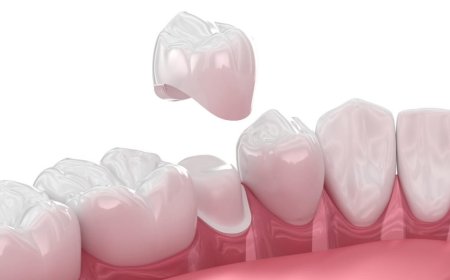
When a tooth is dislodged, it has been moved out of its normal position in the mouth due to trauma. This can take one of two forms:
- Luxation (partially dislodged):The tooth remains in the socket but has moved or loosened.
- Avulsion (fully dislodged):The tooth is completely knocked out of the socket.
Both cases are dental emergencies and require immediate attention. While luxation might not seem urgent, internal damage to the ligaments and nerves can worsen over time. Avulsion, on the other hand, requires action within the first 3060 minutes for a good chance of saving the tooth.
Common causes include:
- Accidents or falls
- Sports injuries
- Facial trauma from objects
- Biting into hard food (e.g., ice, sweets, bones)
First Aid for a Dislodged Tooth
Acting quickly and correctly when a tooth becomes dislodged can dramatically improve the chances of successful reattachment or treatment.
If the Tooth is Partially Dislodged:
- Rinse gently:Use lukewarm water to clean your mouth without disturbing the tooth.
- Stabilise the tooth:Bite down lightly on clean gauze or a soft cloth to help hold the tooth in place.
- Use a cold compress:Aids in minimising swelling and soothing pain.
- Avoid touching or wiggling the tooth:This can damage the nerves and blood vessels further.
- Seek immediate professional care.
Visiting a dentist in Maidenhead as soon as possible ensures that the tooth can be properly repositioned and splinted, increasing the chances of saving it.
If the Tooth is Completely Knocked Out (Avulsed):
|
Step |
Action |
|
Locate the tooth |
Handle it by the crown, never the root. |
|
Rinse gently |
If dirty, use saline or milk. Avoid soap or scrubbing. |
|
Try to reinsert |
If possible, place it gently back into the socket and bite down on gauze. |
|
Preserve if reinsertion fails |
Place in milk, saliva, or saline. Never let it dry out. |
|
See an emergency dentist |
Do this within 60 minutes for the best chance of saving the tooth. |
A quick visit to anEmergency dentist in Maidenheadcan lead to the tooth being reimplanted successfully, reducing the risk of long term complications.
What Not to Do When a Tooth Is Dislodged
In the moment, its easy to make mistakes that can damage the tooth or gums further. Keep these critical donts in mind:
- Dont touch the root:This can damage cells necessary for reintegration.
- Dont scrub or sterilise the tooth:Essential fibres can be destroyed.
- Keep the tooth moist:Dryness reduces its chance of survival.
- Avoid wrapping in paper or tissue:It can dry out and harm the root.
- Dont delay seeing a dentist:The longer you wait, the lower the chance of success.
Time and proper handling are everything. Getting to a dentist in Maidenhead swiftly could make all the difference.
What Will the Dentist Do?
At the clinic, your dentist will evaluate the severity of the damage and proceed with the necessary treatment. These may include:
- Radiographsto assess injury to the bone and nearby teeth.
- Repositioningthe tooth if its luxated
- Splintingthe tooth to adjacent teeth for support and healing
- Root canal treatment, often required later for avulsed teeth
- Antibiotics or a tetanus boosterif needed
An Emergency dentist in Maidenhead is equipped to provide urgent care, using advanced techniques to stabilise and preserve your tooth.
What If the Tooth Cant Be Saved?
Even with quick action, sometimes a dislodged tooth cannot be reimplanted or salvaged. In such cases, modern dental technology offers several effective tooth replacement options.
Tooth Replacement Options Include:
- Dental implants:Permanent and natural-looking replacement
- Dental bridges:Effective if adjacent teeth need support
- Removable partial dentures:Cost-effective and less invasive
Your dentist will recommend the most suitable option for you, focusing on restoring both appearance and function.
Recovery and Aftercare
Post-treatment recovery is essential for ensuring long-term dental health. Adhering to your dentists aftercare guidelines can greatly impact recovery and final results.
Helpful Aftercare Tips:
- Follow instructions carefully when taking any prescribed antibiotics or pain medication.
- Avoid chewing on the affected side
- Eat soft, non-acidic foods for the first few days
- Use warm salt water rinses to promote healing
- Maintain good oral hygiene, but avoid brushing directly on the treated area
- Keep follow-up appointments to monitor progress
Proper aftercare, guided by yourdentist in Maidenhead, helps protect the reintegrated tooth and surrounding tissues.

Preventing Tooth Dislodgement
Prevention is key, especially for individuals at higher risk, such as children and those who play contact sports.
Prevention Tips:
- Wear a custom-fitted mouthguard during physical activity
- Avoid chewing ice, hard sweets, or using teeth as tools
- Supervise children during play
- Book regular dental visits to identify problems before they escalate
- Educate your family about dental emergency response
Building strong dental habits reduces the likelihood of trauma and prepares you to act if it ever happens again.
Conclusion
A dislodged tooth is a dental emergency that demands immediate attention and the right response. Whether the tooth is partially out of place or fully knocked out, knowing how to act and what not to do can dramatically influence the outcome. Swift response, correct storage, and prompt dental care are key to rescuing the tooth and rebuilding your smile.If the tooth cant be saved, todays dentistry offers a range of effective solutions to fill the gap both functionally and aesthetically. In any case, staying calm and informed is your greatest ally during such emergencies. For fast, expert care in high-stress situations, the trusted professionals at Maidenhead are ready to support your dental health with experience, precision, and compassion.