
























What to Expect During a Dental Crown Appointment in Garland, TX
A dental crown is a customized appliance designed for a weakened or damaged tooth. It’s designed to restore your teeth's shape, strength, and function.

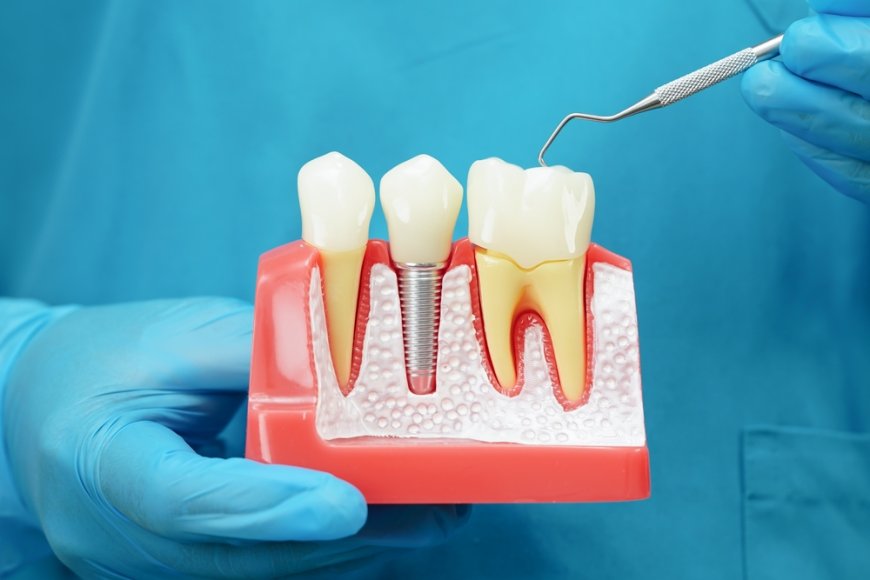
If you have been told that you need a dental crown, you might be wondering what that means and what you can expect during the entire process.
A dental crown is a customized appliance designed for a weakened or damaged tooth. Its designed to restore your teeth's shape, strength, and function. It is commonly used for teeth that are cracked, severely decayed, worn down, or have had a root canal previously.
In fact, according to the American College of Prosthodontists, over 2.3 million crowns are manufactured annually in the U.S. alone, underscoring the widespread use and effectiveness of this treatment.
In this article, we will explore:
-
When and why dental crowns are needed
-
The different types of crowns available
-
A step-by-step look at the appointment process
-
Aftercare and recovery tips
When Do You Need a Dental Crown?
A dental crown is often recommended when a tooth is too damaged to be repaired with a simple filling, but not so far gone that it needs to be removed. Here are some everyday situations where a dental crown in Garland, TX might be required:
Common Reasons You May Need a Crown:
-
Cracked or chipped teeth: A crown holds the tooth together and prevents further damage.
-
Large cavities: When too much tooth structure is lost, a crown provides strength and stability.
-
After a root canal, Crowns protect and seal the treated tooth.
-
Cosmetic improvements: Crowns can cover misshapen or severely discolored teeth.
Restorative & Protective Benefits
Crowns not only restore the appearance and function of your tooth, but they also protect it from breaking or needing to be removed later on.
How Dentists in Garland Decide
Dentists in Garland utilize digital X-rays and thorough examinations to determine if a crown is the most suitable option. Theyll look at the extent of damage, location of the tooth, and your overall oral health before making a recommendation tailored just for you.
Types of Dental Crowns
There are several types of dental crowns, each with its unique benefits. Your dentist in Garland, TX, will help you choose the best option based on your needs, budget, and the location of the tooth.
Common Types of Crowns:
-
Porcelain and Ceramic Crowns
-
Best for front teeth
-
Natural-looking and blend well with your smile
-
Not as strong as metal, but very aesthetic
-
Metal Crowns (like gold or alloy)
-
Extremely durable and ideal for back molars
-
Not tooth-colored, but long-lasting and marvelous for heavy chewing
-
Porcelain-Fused-to-Metal (PFM)
-
Strong and natural-looking
-
Offers a balance between durability and appearance
-
May show a dark line at the gum over time
Each type has its pros and cons, but dont worry, your Garland dentist will walk you through the options and recommend whats best for your smile and lifestyle.
Step-by-Step Breakdown of the Appointment
Getting a dental crown may sound intimidating at first. Still, the process is very straightforward, and local dental clinics in Garland focus on making it as easy and comfortable as possible. Most crown treatments happen over two visits. Heres what you can expect:
A. First Visit: Exam, Prep, and Temporary Crown
1. Initial Examination and X-Rays
Your dentist will begin by examining your tooth and taking digital X-rays. This helps assess the damage and ensures that a crown is the right solution for your tooth.
2. Tooth Preparation
Next, the dentist will gently shape and file the tooth to make room for the crown. Dont worry, this part is done under local anesthesia, so you stay comfortable throughout.
3. Taking Impressions
Once the tooth is ready, your dentist will take an impression. Many Garland practices now use digital scanners instead of the old gooey molds, making the process much faster and cleaner.
4. Temporary Crown Placement
As the name suggests, a temporary crown is designed to protect your tooth while the permanent crown is being made at a lab.
-
Its usually made of acrylic.
-
Youll be given simple care tips like avoiding sticky foods and chewing on the other side.
What to Expect After This Visit
Mild soreness or sensitivity is normal for a day or two. If anything feels off or too uncomfortable, your Garland dentist is just a call away.
B. Second Visit: Placing the Permanent Crown
1. Removing the Temporary Crown
At your follow-up visit (usually 12 weeks later), your dentist will gently remove the temporary crown and clean the tooth underneath. This prepares the area for your new, permanent crown.
2. Fitting and Adjusting the New Crown
Your permanent crown, custom-made to match the size, color, and shape of your natural teeth, will be carefully tested for fit. Your dentist will check the way it aligns with nearby teeth and make minor adjustments if needed. This ensures it feels natural when you bite or chew.
If you're wondering what happens during crown fitting, its all about getting the most comfortable and secure fit possible.
3. Cementing the Crown
Once everything feels just right, the crown is securely cemented into place using strong dental adhesive. This step is quick, painless, and done with great precision.
4. Final Bite Check and Polishing
Your dentist will ensure that your bite is aligned correctly and that the crown fits smoothly in your mouth. A final polish gives it a natural shine so it blends seamlessly with the rest of your smile.
Comfort and Modern Touches
Many Garland dental offices utilize advanced technology and gentle techniques to create a stress-free experience. You may even be offered noise-canceling headphones, a neck pillow, or soothing music to help you relax.
Recovery and Aftercare Tips
After your crown fitting, its normal to feel a bit of tenderness or sensitivity, especially to hot or cold foods. This usually fades within a few days. If you're wondering what happens during crown fitting, rest assured, it's a gentle process, and recovery is typically smooth.
Basic Aftercare Tips:
-
Brush and floss gently around the crowned tooth to keep your gums healthy.
-
Avoid hard, sticky, or chewy foods for the first 2448 hours to let the crown settle properly.
-
If your bite feels off, call your dentist; minor adjustments can make a big difference.
How Long Will Your Crown Last?
When properly cared for, dental crowns can last anywhere from 10 to 15 years or even longer.
Just treat it like a natural tooth, and youll enjoy a strong, confident smile for years to come!
Takeaway
-
Dental crowns effectively restore and protect damaged teeth, providing a comfortable solution.
-
The crown process typically takes two visits and involves little to no pain.
-
Garland dental clinics offer modern, patient-focused care for a stress-free experience.
-
With proper care, crowns can last 1015 years or longer, thereby enhancing your oral health over time.
Ready to experience a restored smile? Connect with our experts at Distinctive Dental Concepts today!