























Why Replacing Missing Teeth with Dental Bridges Is Important for Your Health
Missing teeth can lead to bone loss, misalignment, and more. Discover how dental bridges restore function, appearance, and long-term oral health.


Missing teeth affect more than just your appearance. They can lead to a variety of oral and general health complications if left untreated. A simple gap in your smile might seem like a minor issue, but over time it can impact your bite, digestion, facial structure, and even your confidence.
One of the most reliable ways to replace missing teeth is through dental bridges. These fixed restorations offer both functional and cosmetic benefits, helping to maintain oral health while restoring the look of a natural smile.
How Missing Teeth Affect Your Oral Health
Shifting Teeth and Misalignment
When a tooth is lost, the neighboring teeth often begin to drift into the open space. This can cause alignment issues, uneven bites, and difficulty cleaning between teeth increasing the risk of tooth decay and gum disease.
Bone Loss in the Jaw
Teeth play a crucial role in stimulating the jawbone during chewing. Missing teeth mean less stimulation, leading to gradual bone deterioration in the affected area. This bone loss can change the shape of your face and weaken the surrounding structures.
Difficulty in Chewing and Speaking
Even a single missing tooth can affect your ability to chew food effectively, causing you to avoid certain foods or experience digestive issues. Missing teeth, particularly in the front, can also alter your speech, causing lisps or slurred words.
What Are Dental Bridges?
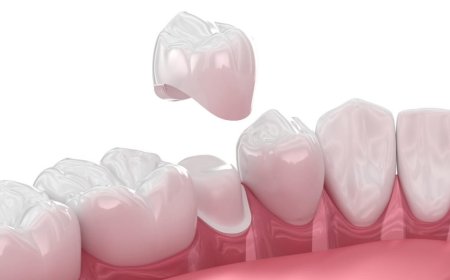
A dental bridge is a custom-made, fixed restoration that replaces one or more missing teeth. It involves placing artificial teeth (pontics) in the gap, supported by adjacent natural teeth or dental implants.
Theyre designed to look, feel, and function like natural teeth, restoring both aesthetics and oral function.
Types of Dental Bridges
-
Traditional Bridges: Supported by crowns on both sides of the missing tooth
-
Cantilever Bridges: Supported by a single adjacent tooth
-
Maryland Bridges: Held in place by a framework bonded to the back of neighboring teeth
-
Implant-Supported Bridges: Anchored by dental implants rather than natural teeth
Each type serves specific dental needs, depending on the number of missing teeth, location in the mouth, and the health of surrounding teeth.
Health Benefits of Dental Bridges
Restoring Full Chewing Ability
Replacing missing teeth with a dental bridge allows you to chew a wide variety of foods comfortably, ensuring you maintain a balanced, nutritious diet without restrictions.
Preventing Tooth Movement
A dental bridge closes the gap left by missing teeth, preventing surrounding teeth from shifting out of alignment and protecting the integrity of your bite.
Maintaining Facial Structure
By preserving the alignment of your teeth and supporting the underlying jawbone, dental bridges help maintain your facial profile and prevent the sunken look often associated with missing teeth.
Improving Speech
Replacing missing teeth with a bridge restores the natural structure of your mouth, improving pronunciation and helping you speak clearly and confidently.
Boosting Self-Esteem
Having a complete, natural-looking smile can significantly enhance your confidence and willingness to engage in social interactions, improving your overall quality of life.
How Dental Bridges Improve Long-Term Oral Health
Reducing the Risk of Gum Disease
Open spaces from missing teeth can trap food debris and bacteria, increasing the likelihood of gum disease. Dental bridges fill these gaps, making oral hygiene easier and reducing the risk of infection.
Distributing Bite Force Evenly
Missing teeth alter the way you bite and chew, placing extra strain on your remaining teeth. A dental bridge evenly distributes bite pressure, preventing undue stress and wear on natural teeth.
Preventing Further Tooth Loss
Misaligned teeth, gum disease, and bone loss resulting from missing teeth can contribute to additional tooth loss. Replacing missing teeth promptly with a dental bridge helps stabilize your dental structure and prevent future issues.
When to Consider a Dental Bridge
-
You have one or more missing teeth in a row
-
Surrounding teeth are healthy and strong enough to support crowns
-
You want a fixed, long-lasting tooth replacement option
-
Youre seeking to improve chewing, speech, and appearance
Caring for Dental Bridges
Proper care ensures the longevity of your dental bridge and the health of your supporting teeth and gums.
-
Brush twice daily using a soft-bristled toothbrush
-
Floss under the pontic daily with floss threaders or water flossers
-
Avoid hard, sticky, or overly crunchy foods
-
Schedule regular dental check-ups and cleanings
FAQs
Can a dental bridge replace multiple teeth?
Yes dental bridges can replace one, two, or several adjacent missing teeth depending on the design and health of supporting teeth.
How long does a dental bridge last?
With proper care, a dental bridge can last 515 years or longer.
Is getting a dental bridge painful?
The procedure is typically performed under local anesthesia. Some mild sensitivity or soreness may occur afterward but resolves quickly.
Will people notice my dental bridge?
Modern dental bridges are custom-made to match the color and shape of your natural teeth, making them virtually unnoticeable.
How soon after tooth loss should I get a bridge?
Its ideal to replace missing teeth as soon as possible to prevent shifting, bone loss, and changes in bite alignment.
Conclusion
Replacing missing teeth is essential not just for cosmetic reasons but for protecting your long-term oral and overall health. Dental bridges offer a durable, natural-looking solution that restores your ability to chew, speak, and smile with confidence.
By addressing missing teeth promptly and following proper care routines, you can maintain a complete, healthy smile for years to come. If youre facing tooth loss or considering your replacement options, consult a dental professional to determine if a dental bridge is right for you.